Wednesday, June 22, 2011
June 7th 2011
June 17th 2011
Toady's the day when we finally go back home. No one was really thrilled about the 3:30 wake up call, but it gave us time to get our things together and it helped a little with the jet lag. It was sad for us to be leaving the trip, especially since Mrs. Titus, one of the greatest teachers ever, wasn't going home without us. She told us even before the trip that she and her husband were moving out of the country and she wouldn't be traveling back home with us. We didn't manage to get in that many goodbye's in the morning, but it was alright for us in her group. Last night she came by our rooms to give us goodbye letters that talked about how proud she was to watch us grow up. We had enough time that night, so along with the letters we wrote for
Alec and our parents, me and my room mates, Jack and Erik, made a letter of our own to Mrs. Titus. Although I was the last to write in the one paper letter and had the least to write with, the guys said mine was the most touching. So all in all, the ride to the airport went fine, but some of us (including me) hadn't done our inquiries yet, so we had to get those done quick before we could feel any enjoyment of getting home. So while we waited for our first flight, I managed to get the information for my inquiry before the flight. Then we got on the flight and road for a few hours, I watched a couple movies, everything seamed fine. That was until thirty minutes before we landed in Sydney, I suddenly got a sharp and painful jolt in my head. It was worse than a long headache and it was beyond anything irritating I felt. My first idea was that it came to be from the high altitude air pressure, and that didn't make me feel any better since we had to ride another 18 hours of flight. Plus, when we landed I felt in desperate need for a shower and I knew I wouldn't be near one in a while. But before we left Sydney, we had to make our final goodbyes to Alec as well and thank him for being a great tour guide. So to take my mind off the pain, filthiness, and fighting over the arm rest with the kid next to me; I watched hours worth of movies and shows. Then after a couple more hours, we landed in LA and quickly prepared for our last flight to Chicago. At this point in flying, the pain in my head was no concern, my main concern now was how my comfort on the flight would be, in particular the foot space. Thankfully, since we were back in the US so we were riding American airlines, so I could trust the seats would be generally comfortable. That flight had to be the easiest of them all to handle. Anxiety began to spike back up again as soon as we were on the bus back to Grayslake. It was all starting to wrap up now, the teachers were giving us our assignments for the week and we were talking about what we would do when we first got home. Then before we knew it, we made it to the school and there were our loved ones waiting for us. This was a great way to sum up the trip.
June 16th 2011; Top Ten
This is a list of my most treasured and enriching experiences of the trip.
- Rangitoto College- I will never forget the kids there who gave us a wonderful experience of meeting New Zealanders who were more like us than I thought. We all had so much to talk about including what our lives are like compared to theirs and them teaching us the Haka, it made me regret not getting a pen pal.
- Climbing the Sydney Harbor Bridge- That hike was one of the most exciting adventures I ever had. It was more fun due to the extreme and unpredictable weather and the amazing view of Sydney.
- Courthouse, "State of Origin game"- It was exciting to be able to be able to get into an Australian outdoor bar to watch a huge rugby game that was as important to the Aussies as the Superbowl is to us. It was especially cool of Alec to get us in, since its restricted to kids under eighteen.
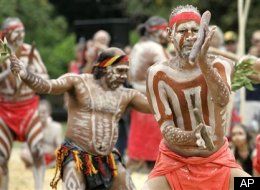
- Kuranda- This was a great cultural experience for me to see their stories on world creation and physical activities. It was especially good for me to get some experience in with the Didgeridoo, seeing as I have one waiting at home for me.
- Luging- I enjoyed this activity for fun and for experience as this being a modern day activity normal to New Zealand.
- Great Barrier Reef- I enjoyed swimming in the reef and exploring the different fish and coral. This was my favorite natural reference since I also saw what coral bleaching had done to some of the reef already.
- Chinese Restaurant- I loved getting into our small group and exploring Sydney's nightlife. Especially when we were able to converse as friends in a small Chinese restaurant.
- Maori village, "Whakarewarewa"- This was a great cultural experience for me since we were able to see how the Maori people handle staying in contact with the modern world, be able to make such good use of the geothermic springs, and keep in touch with their ancestral roots.
- Cairns- I really loved looking around the area of Cairns we were able to explore, because I feel we got to explore it the most and best out of any other town. So that we could really see what Australian town life was like.
- Sydney Zoo- I enjoyed the Zoo as a cultural experience, because we were able to more easily see some of the Animals we anticipated for Australia.
June 15th 2011
June 14th 2011
June 13th 2011
June 12th 2011
June 11th 2011
June 10th 2011
June 9th 2011
For a comparison to our countries natives, I noticed that the Maori people can be more comfortable to keep in contact with today's New Zealand society. As opposed to many of our natives staying by themselves on private reserves.
June 8th 2011
Tuesday, June 21, 2011
Travel Inquiry
Question: Will travelers be happy or sad to leave the trip and return home?
Measurement: The number of people happy and sad about leaving.
Hypothesis: I predict that more people will be upset that they will be leaving the Australia and New Zealand trip.
Experiment procedure: I will go around and ask the kids individually what their thoughts are on leaving the trip.
I will tally everyones answer.
Record results.
Data/Observations:
Happy :IIIIIIIIII (10)
Sad :IIIIIIIIIIIIIIIIIIII (20)
Result: As a result of this investigation I learned that travelers will more likely be upset about ending their trip.
New Questions: Does it matter on how people experience the trip that affect their decision?
Possible source of Error: Not getting a clear answer from some people since they put both as an answer.
Improvements: Asking people earlier how they felt instead of when they were tired and more eager to get home.
Measurement: The number of people happy and sad about leaving.
Hypothesis: I predict that more people will be upset that they will be leaving the Australia and New Zealand trip.
Experiment procedure: I will go around and ask the kids individually what their thoughts are on leaving the trip.
I will tally everyones answer.
Record results.
Data/Observations:
Happy :IIIIIIIIII (10)
Sad :IIIIIIIIIIIIIIIIIIII (20)
Result: As a result of this investigation I learned that travelers will more likely be upset about ending their trip.
New Questions: Does it matter on how people experience the trip that affect their decision?
Possible source of Error: Not getting a clear answer from some people since they put both as an answer.
Improvements: Asking people earlier how they felt instead of when they were tired and more eager to get home.
Thursday, June 2, 2011
Exploring New Zealand
1.
Over the year, we have found several ways to compare our destination of Australia and New Zealand back to America. For one more comparison I've looked at how Kiwi's (New Zealanders) eat regular traditional meals. First off, they have dinner nearly just like us; they eat as a family, use some ingredients fresh and some pre-made, and eat take-out. The only unnormal thing is they eat their dinner around lunch time.
Occationaly people host barbecues and guests would bring over a dish. Neighbors and friends would gather and socialize just like we do here. Except during Maori gatherings, they would go all out on their meals by digging a fire pit and cooking their food there, as apposed to using a grill. But the point is all the same, to get togeather and relax. Sometimes gatherings can mean parties toosted either by grown ups or young adults.
One more big part in regular eating are New Zealand fast food chains, some of which branch off from here in the US. Sometimes people enjoy tastefull fast foods, but they arn't as popular as here because they're mostly found in the big city areas of New Zealand like Auckland. For fast food related meals, people usually stick with their own brand of street foods.
2.
While this trip is only four days away, I am very excited for whats to come and also a little nervous about meeting the people there. Mostly because we will be visiting a high school in New Zealand and have to meet the kids there. Sometimes I have trouble meeting new people in general but I also realized we may have to discuss any sterriotypical ideas they may have about Americans.
Over the year, we have found several ways to compare our destination of Australia and New Zealand back to America. For one more comparison I've looked at how Kiwi's (New Zealanders) eat regular traditional meals. First off, they have dinner nearly just like us; they eat as a family, use some ingredients fresh and some pre-made, and eat take-out. The only unnormal thing is they eat their dinner around lunch time.
Occationaly people host barbecues and guests would bring over a dish. Neighbors and friends would gather and socialize just like we do here. Except during Maori gatherings, they would go all out on their meals by digging a fire pit and cooking their food there, as apposed to using a grill. But the point is all the same, to get togeather and relax. Sometimes gatherings can mean parties toosted either by grown ups or young adults.
One more big part in regular eating are New Zealand fast food chains, some of which branch off from here in the US. Sometimes people enjoy tastefull fast foods, but they arn't as popular as here because they're mostly found in the big city areas of New Zealand like Auckland. For fast food related meals, people usually stick with their own brand of street foods.
2.
While this trip is only four days away, I am very excited for whats to come and also a little nervous about meeting the people there. Mostly because we will be visiting a high school in New Zealand and have to meet the kids there. Sometimes I have trouble meeting new people in general but I also realized we may have to discuss any sterriotypical ideas they may have about Americans.
Wednesday, May 18, 2011
Invasive species study
We have been told to study issues on Invasive species in Australia and relate them back to North America.
One important issue in Australia is the Cane toad, which are more commonly native to Central and South America. They were introduced to other Pacific islands as a form of pest controle due to its beatle consumption and the toxin it releases, however the toxic has killed many native species and is now considered a pest. Some solutions lead scientists to using ultraviolet light to lure and capture the toads. Also, a larger study had led them to belive they could change the sex of female toads leading to an all male toad population, thus a decrease in numbers.
One more invasive species that affects U.S. soil is the Giant African Snail. They first arrived in 1966, as a means of pets, education purposes, or just sneak in delivary cargo. These snails have become a nucense to some suberban areas due to their consumption of plants and how their texture can make peoples palms rashy. As for getting rid of them, finding them is common in some areas so most people just took it into their own hands by crusing them or using salt on them.
One more invasive species that affects U.S. soil is the Giant African Snail. They first arrived in 1966, as a means of pets, education purposes, or just sneak in delivary cargo. These snails have become a nucense to some suberban areas due to their consumption of plants and how their texture can make peoples palms rashy. As for getting rid of them, finding them is common in some areas so most people just took it into their own hands by crusing them or using salt on them.I feel invasive species are a concern becuase at first they are unfamiliar with our land and will most likely destroy it. Also, our native species are also unfamilair with them and might be prone to any infections the invasive species carries or becom its prey. I feel we can relate our issue in America to Australia because their pests destroy land they try to preserve so well, and our invasive animals destroy more of our vegitation.
Tuesday, May 10, 2011
Summurizing "Rabbit Proof Fence"
We read a short section of the novel and answered a few questions describing what were the Ingeniousness peoples true rights.
1. Some rules of the UN listed in the story include. #1-RIGHT TO EQUALITY1, it's listed how they had less protection and rights as apposed to the white settlers. They had their own laws and police enforcement that weren't included for the Aboriginals. #17-RIGHT TO OWN PROPERTY, When they first settled, the white men took whatever land they pleased without considering the Aboriginals, many were forced from their land. Some land not owned by settlers was destroyed for little use for the natives.#18-FREEDOM OF BELIEF AND RELIGION, Many laws and ways of life the natives believed in were taken from them. They were forbidden from religious practices and their ways of prayer would soon be forgotten.
2.Some ways the treatment of the Aboriginals related to the Native Americans were how they were evicted from their land and forcibly removed. When the Americans got hold of their land, we destroyed it by paving our culture and over hunting precious animals to the Natives.
3.I believe the forced relocation of these children weren't truly justified. Just because their government feels the part white Aboriginal children are more socially advanced, doesn't give them any true ownership or justification on taking them away from their families. If you would think of the labor you put through those children and remember how mournful the families were for their loss. It doesn't seam like its worth it to give these children with supposed potential non-academic jobs, all for taking them away from their true hereditary roots and religion.
1. Some rules of the UN listed in the story include. #1-RIGHT TO EQUALITY1, it's listed how they had less protection and rights as apposed to the white settlers. They had their own laws and police enforcement that weren't included for the Aboriginals. #17-RIGHT TO OWN PROPERTY, When they first settled, the white men took whatever land they pleased without considering the Aboriginals, many were forced from their land. Some land not owned by settlers was destroyed for little use for the natives.#18-FREEDOM OF BELIEF AND RELIGION, Many laws and ways of life the natives believed in were taken from them. They were forbidden from religious practices and their ways of prayer would soon be forgotten.
2.Some ways the treatment of the Aboriginals related to the Native Americans were how they were evicted from their land and forcibly removed. When the Americans got hold of their land, we destroyed it by paving our culture and over hunting precious animals to the Natives.
3.I believe the forced relocation of these children weren't truly justified. Just because their government feels the part white Aboriginal children are more socially advanced, doesn't give them any true ownership or justification on taking them away from their families. If you would think of the labor you put through those children and remember how mournful the families were for their loss. It doesn't seam like its worth it to give these children with supposed potential non-academic jobs, all for taking them away from their true hereditary roots and religion.
Monday, May 9, 2011
The Great Barrier Reef
I had answered a few questions relating to the Reef, where I will be visiting this summer.
- The Great Barrier Reef is considered the "largest living structure on earth".
- Coral uses a compound known as Calcium Carbonate to make their solid tentacles.
- Red Algae benefits coral by encrusting on it, acting as sheets of Calcium Carbonate to make its hard shells.
- The Great Barrier Reef was established a national park in 1975.
- 33% of the reef is protected from fishing.
- The reef is believed to be 20,000 years old, although the discovery of and ancient coral led scientists to believe it's 1/2 1 million years old.
Tuesday, May 3, 2011
Video assignment: Coral Reef preservation
I had been assigned to review and answer questions in youtube videos that mainly focus life in Coral Reef ecosystems. The first is from http://www.youtube.com/watch?v=iW8nCALx5iA&feature=related.
Foreigners not from Australia, http://www.youtube.com/watch?v=4HhyHswjIJ8, this gives brief information to anyone unfamiliar with the coral reef in general.
Tourists visiting the Great Barrier Reef, http://youtube.com/watch?v=wbNeIn3vVKM&feature=related, this way tourists expecting to visit can get a preview on what they'll see.
- A Polyp is a seed coral grows from after algae move into it as food, making the coral multiply and grow.
- Coral are sensitive to most changes in its habitat, mostly in cases of high temperature.
- Coral bleaching is when corals algae die when the temperature stays high too long and the coral loose their color, turning clear white.
- Scientist believe Coral bleaching is happening more due to climate change from Carbon Dioxide pollution.
- Some ways people can reduce climate change are turning off appliances to preserve energy, riding bikes instead of cars, and recycle more often.
- The Great Barrier Reef is home to 1500 species of fish, 360 species of hard coral, 1/3 of the world population of soft coral, 22 species of sea birds, and 32 species of shore birds.
- Due to the increase of Carbon Dioxide from vehicles and factory gases, our oceans have increased warming, damaging life in the sea.
- Increased flooding can come back to hurt the ocean as well, by bringing pollution from the land and washing it into the reefs. This will force the fish to leave and find cooler waters and leaving the birds with nothing for food and eventually leaving.
- Some more ways people can reduce climate change are using less energy by opening windows instead of using air conditioners, donate instead of throwing things away into a landfill, and buying more biodegradable products.
- Using this kind of creation can better capture kids attension for using cartoons. They also speak to kids on their own level by use of jokes and sounds.Although, the fast and funny way they make the characters sound makes it hard for kids to understand them. They sometimes go too far out with the humor that kids would have more difficulty figuring out what the videos are acually telling them.
- Some links about this topic that refer to the following audiences are.
Foreigners not from Australia, http://www.youtube.com/watch?v=4HhyHswjIJ8, this gives brief information to anyone unfamiliar with the coral reef in general.
Tourists visiting the Great Barrier Reef, http://youtube.com/watch?v=wbNeIn3vVKM&feature=related, this way tourists expecting to visit can get a preview on what they'll see.
Thursday, April 14, 2011
The Stolen Generation
I was recently given a few questions concerning the stolen generation which concerns the Australian Aboriginals loosing their land and children to the new colonizers.
- The English came in contact with the Aboriginals in 1788, they became familiar with them by keeping their tree bark paintings after Aboriginal ceremonies. In colonizing, the Westerners took land from the Sydney Cove and out and forced Aboriginals out of their homes. In many cases they were killed.
- When more Britain's began settling into Sidney there was mass confusion among them without a government to run things. So they figured they would simply take land from the Aboriginals and force them to move. During this the Indigenous people contracted diseases such as Smallpox, measles, Influenza, etc. The Europeans used this new land by cutting down trees and building up their civilization, also by bringing non-native animals which also destroyed the environment.
- The Stolen Generation movement began in 1909 which was run under the Aboriginal Protection Board (APB). The Idea was to apprehend all non full-blooded Aboriginals and take them under white culture. With a great number of children gone, the full-blooded Aboriginals were predicted to just die out because at the time they were seen as an inferior race. The children were believed to be servants and slaves in the future to work for the Britain's, when in fact they were forcibly removed because the Aboriginals were thought to be unfit parents.
- People must also remember this doesn't affect only the Aboriginals who lost, the children have also suffered. Eventually, many children learned of their Indigenous heritages and were also furious of what happened to them. Out of the frustration from the accounts of abbuse, these children have led to a life of running away to becomming alchoholics, violent, and lead to an early death.
- Currently, there are people still looking for children in an attempt to bring them all back home. Not just for the families sake, many of these children are phycolodgicaly, verbally, and sexually abbused and end up hitting rock bottom in adulthood. The matter of finding the right children is a situation too, because now they are mixed up with the other races and now they can't identify the right children. Plus, this cycle is still going on today because now when the stolen generation has kids, they can't decide wheather to parent them the new world way or the Aboriginal way, which ends up having thoes children removed by welfare agencies too.
- For an apolodgy to the Aboriginals, I would tell the Prime minister that these people have lived here for thousands of years and have probably learned more about the land than the Australians. These people have lived off the land, taken good care of their children, and promoted a rich culture among themselves. The original reason behind the Stolen Generation was to eliminate the Aboriginals because at the time they were seen as inferior by the settlers and only occupying land. You could ask nearly anyone and they too will think it was a horrible act in history. Having to hold off a well deserved apolodgy such as this only makes you look worse, if this is to preserve dignity in Australia I honestly don't see the harm in saying "I'm sorry" and paying reparations to them would do.
Saturday, April 2, 2011
Technology running us
I recently read an article which focuses on our over obsessive use of technology making it harder to enjoy vacationing. Because when traveling, we spend too much time focusing on mobile devises and other technology. The writer wants us to take in the enjoyment and memories that are better taken through your own eyes, and not a camera lens. We originally think to use these devises only for a few pictures and phones for emergencies. When in fact we forget the addiction we have on them back home.
I myself just recently went on a road trip with my family through the deep south, and all throughout the trip my dad would constantly make fun of me and my brother for looking down at our phones too much. I felt he was being hypocritical at the time due to his tens of thousands of digital camera shots of every little detail. But in a way, I sort of both agree and disagree with him because on my behalf I was just killing time on the road because there wasn't much I was missing that I haven't seen, mostly just bayou swamps, highway trees, and thousands of houses on stilts. But if it wasn't for will power I wouldn't have seen the nightlife of famed cities, popular hot spots, tasted great food, and noticed the thousands of Waffle Houses that are spread throughout the south (In all my life I've only seen one in Wisconsin and the buisiness didn't look too good).
After reading this I better understand now that we need to be cautious in letting the time we use on our tech. not takover the time we appreciate our trips. If we can't resist using the technology with us, we should at least leave it back at the hotel. Also, we could leave our chargers home and only use devises in emergencies to preserve energy.
I myself just recently went on a road trip with my family through the deep south, and all throughout the trip my dad would constantly make fun of me and my brother for looking down at our phones too much. I felt he was being hypocritical at the time due to his tens of thousands of digital camera shots of every little detail. But in a way, I sort of both agree and disagree with him because on my behalf I was just killing time on the road because there wasn't much I was missing that I haven't seen, mostly just bayou swamps, highway trees, and thousands of houses on stilts. But if it wasn't for will power I wouldn't have seen the nightlife of famed cities, popular hot spots, tasted great food, and noticed the thousands of Waffle Houses that are spread throughout the south (In all my life I've only seen one in Wisconsin and the buisiness didn't look too good).
After reading this I better understand now that we need to be cautious in letting the time we use on our tech. not takover the time we appreciate our trips. If we can't resist using the technology with us, we should at least leave it back at the hotel. Also, we could leave our chargers home and only use devises in emergencies to preserve energy.
Wednesday, February 23, 2011
Native Land Takeovers
When the European explorers discovered the new lands like America, Australia, and New Zealand. They were forced to make some unforgivable decisions involving the indigenous people to those lands. The main idea between these disputes, the domestic people were easy to defeat and the English took advantage of them and their land. But after the battles, slavery, and other problems facing them, the natives were allowed to live in peace. Years after that, they were given rights in the countries and their own undisterbable land. Some were given public apologies.
For instance, the Maori's lived in peace until the rate of English settlers became critical. The rise of slavery and gold rushes only contributed to their loss of land. Then in 2008, the NZ govt. returned land to the Maori's as an apology (Source-Wikipedia.org/wiki/M%C4%81ori#Modern_Challenges). Similarly with the Aboriginals, the Australians were introduced to diseases before the European Settlers arrived, soon enough though, they began taking their land and began a gold rush. Despite the wars though, the Europeans saw their wrongings and gave the Aboriginals many benefits like citizenship, voting rights, and public apologies (Source-Wikipedia.org/wiki/Indigenous_Australians#Since_British_Settlement).
Although some Natives were cheated out of much more than they were returned. For example, the Native Americans even after battles, diseases, slavery, and robbery, they were still forced to leave their homes. Even though they were given a yearly payment and reservations to stay on, these were also reduced and taken away from them, so this hardly qualifies as an apology (Source-victoriana.com/history/nativeamericans-1.html). Also in a similar and different example, the Maoris signed the Treaty of Waitangi which guarantied ownership of their own land. But similarly they were taught to act more civilized and European like so that there are fewer full blooded Maoris left(Source-travelexpertguide.org/forum/Australia/New-zealand-random-information-392297.htm).
For instance, the Maori's lived in peace until the rate of English settlers became critical. The rise of slavery and gold rushes only contributed to their loss of land. Then in 2008, the NZ govt. returned land to the Maori's as an apology (Source-Wikipedia.org/wiki/M%C4%81ori#Modern_Challenges). Similarly with the Aboriginals, the Australians were introduced to diseases before the European Settlers arrived, soon enough though, they began taking their land and began a gold rush. Despite the wars though, the Europeans saw their wrongings and gave the Aboriginals many benefits like citizenship, voting rights, and public apologies (Source-Wikipedia.org/wiki/Indigenous_Australians#Since_British_Settlement).
Although some Natives were cheated out of much more than they were returned. For example, the Native Americans even after battles, diseases, slavery, and robbery, they were still forced to leave their homes. Even though they were given a yearly payment and reservations to stay on, these were also reduced and taken away from them, so this hardly qualifies as an apology (Source-victoriana.com/history/nativeamericans-1.html). Also in a similar and different example, the Maoris signed the Treaty of Waitangi which guarantied ownership of their own land. But similarly they were taught to act more civilized and European like so that there are fewer full blooded Maoris left(Source-travelexpertguide.org/forum/Australia/New-zealand-random-information-392297.htm). Thursday, February 17, 2011
Our ancestral creation stories
I believe people create and use creation stories to give themselves explanation to life. Because any civilization new to the world would dislike not knowing whatever doesn't make sense to them. Plus, having to understand the scientific reason would make it all the more frustrating. So simple stories based on religion and Gods makes more sense to understanding the world in their own vision. Also, we know different civilizations had their own creation stories so they are another way to signify themselves from the other religions.
It's stories like the creation stories that can very easily define a culture because they were made both after the same mind. The Australian Aborigines for example, learned to think for others and not whats best for themselves. In the place of the worlds first creations, we can tell they value the animals of their land. As for the Maori's, they recognized their land better by basing their gods off of elements and objects. They also mention the creation of their sacred color, ocher.As time progressed into the scientific revolution, people started answering questions with more scientifically believable answers that reveal the truth of the world. However, eternal questions answer so much more for people, not everyone at once, but the individuals who want to know more of themselves. Myths can answer questions about people, and more easily groups of people, for instance the Maori sacred color is ocher. This is because in their creation story the Sky Father and Earth Mother bled it when they were forced apart. As in other religions, people pray to their gods for help just because they know they have someone to ask. Myths can answer those rare questions of the world and people that science can't.
Throughout this assignment, I've written how peoples myths on the creation of the world trace back to themselves and their beliefs. As for me, I'm Catholic, so I believe in God creating the Earth and Putting Adam and Eve on it. I guess this relates back to us because believing in at least one story from your faith can help you believe even more from it. For my creation story, I believe this helps me see the world as closer together, from seeing how it was so small to start with. So faith can be important for some people, maybe not for religious reasons, but just to have an answer to some aspects of their life.
Saturday, January 22, 2011
Why We Travel
In Pico Lyer's essay of "Why we travel", he explains that he travels to experience new, unfamiliar parts of the world and to escape his own. As for me, I travel to see great parts of the world and to enjoy myself there. He and I have different reasons for traveling. Because Lyer travels more to experience the culture of the different worlds and leave his behind, so that he may do and see things he normally couldn't in America. While travel for me is to be taken more as a vacation. Because half the time I spend at the resort, the other we explore the rest of the area. Lyer however, likes to stay up more and experience the place of its culture and religion.Lyer says in his essay, "The real voyage of discovery consists not in seeing new places, but in seeing with new eyes." I believe this means another reason to travel is the places he visits are sometimes unlike anything he has ever seen. They cause him to see more of the world and himself in a new perspective. New locations can help you understand and appreciate more things you may ordinarily forget. Sometimes, I myself find out about things to appreciate more, but not often over trips.
Lyer says in his essay, "what gives value to travel is fear." I believe he is saying that we take risks when we travel, because some countries can be unpredictable. Traveling can contain other fears that we hide in the back of our heads. We may use traveling to also escape some fears, and to hopefully get over them. For example, this will be my first trip outside of the country without the rest of my family and I wonder if there will be any concern to that.Lyer talks about we being "carrier pigeons" when we travel. That when we experience our destination we have the privelage, or the duty, to spread our knowledge to people we know about the country. As well as people in other countries about America. I see it more as a privelage to tell our friends and family about our trips and what we learned. So that we may continue the goal of endless knowledge throughout the world.
Throughout Lyer's essay I found this quote to be my favorite, "Madonna in an Islamic country after all, sounds radically different from Madonna in a Confucian one, and neither begins to mean the same as Madonna on East 14th street." I like this quote because it shows that Americas famous culture is spread throughout the world and becoming apart of other cultures. So now in some places we travel, things seam very much the same. Like Lyer said, we are slowly becoming one of the travelers and little like the tourists.
Tuesday, January 18, 2011
My introduction
My name is Zach Clark and I am a student from Grayslake Central High School. I have been given an oportunity to travel abroad with some other students to Australia and New Zeland for the Summer. I am very exited about it, but at the same time I'm also stressed. Not really the trip itself, but the work I need to do for it. I expected that we would simply study the two countries before we left, and do a few assignments as well. I never expected to write this blog though; and it's challenging for me. However, I know we're getting the hardest work out of the way so we can focus on the upcoming preparations for the trip. So for the next few months up until June, I will be writing out discussion questions as apart of my work.
Originally, I found out about this course because my parents introduced it to me. The advisors then explained what I'd do on the trip at the presentation. Strangely enough, they convinced me. Strange because normally I would pass on big decisions like this. Traveling abroad always seemed cool, but I never thought I would fully enjoy where I would go. Although, Australia seemed more like a fun environment rather than focused mostly around arts and history. When I discovered we would be going to New Zealand as well, the thought of seeing its wildlife added to my anticipation.
I believe traveling abroad to these countries will give me a better understanding of them by seeing them firsthand. For instance, I have done a few reports on New Zealand's wildlife, so I can't wait to see the exotic animals there. Australias alsways been interesting to me, but I know very little about the country and people. I'm hoping to have a better understanding of its culture when we're done.
I am looking forward to learning more about the sights we will be visiting over the summer. I'm also looking forward to the food. I can't wait to taste it.
While in New Zealand and Australia, I'll be interested in seeing its wildlife, such as:The Kakapo bird, Kangaroo, Koala, and Tasmanian Devil. I've done some research of the endangered species on New Zealand, and I'm hoping to see them up close. I have heard a lot about places like Sidney's Opera House and the Coral Reef, and now I can finally see what they're all about.
At our first meeting, we were told what we would learn about in class. I am anxious to see the sights and animals I've already learned about. I'm also interested to learn more about the things I don't really know. Visiting these coutrties is going to be exciting and I love exploring new places. However, doing the school work part of the trip is somewhat frustrating. I do understand that learning about places we will see should makes us appreciate the trip more when we are there, but really, who likes doing more homework...I'll get through it.
Subscribe to:
Comments (Atom)